Domestic Violence
What to Do If Your Husband or Wife Is Arrested for Domestic Violence in San Jose
FREE Confidential Consultation • Available 24/7

Last Updated
July 22, 2026
DUI

A DUI court appearance can be stressful, especially if it’s your first time. Summit Defense Criminal Lawyers helps clients understand the DUI court process and what to expect. Whether you are pleading not guilty or negotiating a plea bargain, knowing the steps can reduce anxiety. Each DUI case goes through specific stages, and being prepared is key.
Your first DUI court appearance is just one part of the overall court process. From the DUI arraignment to the trial, there are several steps involved. Your defense attorney will be by your side to guide you through these steps, protect your rights, and help ensure the best possible outcome.
If you face a DUI offense, understanding what will happen in court is critical to your defense. Here, we’ll break down each stage of the process so you know what to expect.
The DUI court process typically involves several stages. Each step plays a role in determining the outcome of your case. Here’s a breakdown of the major stages you will go through:
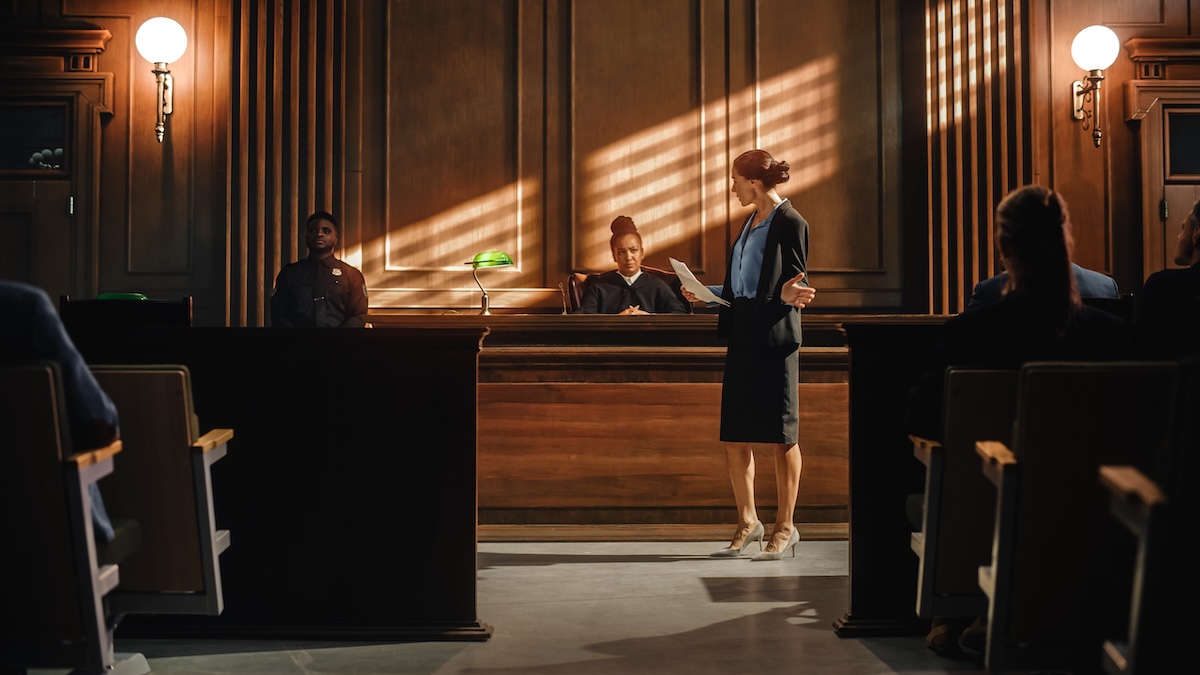
The arraignment is your first DUI court appearance. It’s where you formally enter your plea, either not guilty, guilty, or no contest. The judge will explain the charges against you, the potential penalties, and your rights. If you’re unsure of how to proceed, an experienced DUI attorney will advise you on whether you should plead guilty or challenge the charges.
In many cases, the defense attorney will request a delay to gather more information or negotiate with the prosecutor. You’ll also discuss bail or release conditions if you’re in custody. The arraignment sets the stage for the rest of the court process. It’s a crucial step, so having a skilled DUI lawyer present can make a huge difference in the outcome of your case.
The pretrial conference is a critical stage in the DUI court process. During this meeting, your defense attorney and the prosecutor will discuss the case in detail. They’ll review the prosecution’s evidence and any motions that may have been filed. This is also the time when both sides may discuss the possibility of a plea bargain. If you choose to plead guilty, this stage allows you to negotiate a reduced sentence or lesser charges, depending on the circumstances.
In some cases, the defense attorney may request additional time to gather more evidence or subpoena witnesses. If there are discrepancies in the police reports or field sobriety tests, your attorney may file a motion to suppress evidence.
This could potentially weaken the prosecution’s case and improve your chances of a favorable outcome. The pretrial conference is also the time when the judge may set further court dates or give orders related to the case.
If there are issues with the way the DUI arrest was handled, a DUI motion hearing may be necessary. This hearing focuses on challenging evidence before the trial begins.
For example, if the police officer did not have reasonable suspicion to stop you, your defense attorney can argue that any evidence gathered during the arrest should be excluded. A motions hearing is where your lawyer might challenge field sobriety tests, breath tests, or blood test results based on how they were conducted or the accuracy of the breath test machine.
If your DUI defense attorney can show that the evidence was obtained improperly, the judge may rule to suppress evidence. This can be a significant victory in your case, as it could weaken the prosecution's argument.
If a critical piece of evidence is excluded, it can lead to the dismissal of DUI charges or a plea deal for lesser penalties. The DUI motions hearing helps ensure that only legally obtained evidence is used in court.
If no plea deal is reached, your DUI case will go to trial. This is where both sides present their arguments and evidence. The prosecution will attempt to prove that you were driving under the influence, while your DUI defense attorney will work to create reasonable doubt about your guilt. The trial will begin with the prosecution’s evidence, followed by the defense’s case.
Your attorney may challenge the police officer’s testimony or point out any weaknesses in the evidence, such as errors in the breath test or field sobriety tests. If the prosecution's evidence doesn’t convincingly prove the DUI offense, you may be acquitted. The trial can take time, but it is your opportunity to clear your name or negotiate for reduced charges.
A DUI trial typically involves several key steps. First, the judge will instruct the jury about the DUI charges. Then, the prosecution presents its evidence, including testimony from the arresting officer and police reports.
After that, your DUI defense attorney will have the opportunity to cross-examine the witnesses and present your case. This may involve calling witnesses who can help prove your innocence or weaken the prosecution’s evidence.
During the trial, your attorney might argue that the police officer lacked reasonable suspicion or that the field sobriety tests were unfairly administered. If your defense attorney can create reasonable doubt, you may be found not guilty. If the case isn’t dismissed, the jury will determine the verdict based on the evidence presented.
A DUI conviction could lead to license suspension, fines, or jail time, so it’s essential to have a seasoned DUI lawyer to guide you through the process.
If you are found guilty of a DUI offense, the next step is sentencing. The judge will consider several factors, including the severity of the offense, whether it was your first DUI, or if there were aggravating factors like a high blood alcohol content(BAC) or an accident.
The judge will then impose penalties based on DUI laws in your state. Sentencing may include fines, license suspension, probation, or jail time. The judge may also require you to attend DUI education programs or install an ignition interlock device on your vehicle.
In some cases, the judge may offer alternative sentences for first-time offenders, such as probation or a reduced license suspension. However, if there were aggravating circumstances, like repeat offenses or driving with a minor, the penalties could be more severe. Having an experienced DUI attorney can help ensure that you receive the least severe punishment possible.
For a first DUI offense, the penalties can vary depending on the state. Typical consequences include license suspension, fines, and probation. You may also be required to attend DUI education programs. Jail time is usually not imposed for a first-time offense unless there are aggravating factors, such as a high BAC or causing an accident.
In many cases, license suspension lasts from a few months to a year. The length of suspension and other penalties can increase if the DUI offense involves more severe factors, like driving with a child in the car or driving while impaired with a high BAC.
Penalties may also include community service, mandatory alcohol treatment, or attendance in a DUI education program. If you plead guilty, some states allow for reduced penalties or alternative sentencing, such as a shorter license suspension or probation instead of jail time. Working with a DUI defense attorney can help you explore options to minimize these consequences.
Aggravated DUI charges are much more serious than a standard DUI offense. If your BAC is extremely high, if you caused an accident, or if you have prior DUI convictions, the penalties can be significantly harsher. In cases of high BAC, you may face longer license suspension, larger fines, and longer jail time.
If the DUI offense caused injury or damage, the penalties could include even more severe consequences, such as longer jail time, higher fines, or mandatory prison time. Repeat offenders face similar penalties, and each subsequent DUI conviction can result in increased sentences.
In addition to the usual penalties, you may be required to attend extended DUI education programs or install an ignition interlock device. Repeat offenders or those convicted of aggravated DUI may also face longer periods of license suspension or revocation. If you have a history of DUI offenses, the consequences can be even more severe, possibly resulting in a prison sentence or additional charges.
Failing to appear in DUI court can have serious consequences. If you miss a court date for your DUI charges, a warrant for your arrest may be issued. This could lead to immediate detention and additional charges, which can complicate your case further.
The judge may view your failure to appear as an indication of disrespect for the court process, leading to harsher penalties, such as longer license suspension or increased jail time.
If you miss a DUI court appearance, contact your defense attorney immediately. They can help you reschedule the hearing and explain the situation to the judge. In some cases, your DUI lawyer can petition the court to reduce the penalties for missing court. However, it’s essential to attend all DUI court appearances to avoid any additional legal problems.
If you plead guilty, the judge will impose the penalties based on your case. This may include license suspension, fines, probation, or jail time. A competent DUI lawyer may be able to reduce the penalties through a plea bargain.
Yes, a DUI defense attorney can argue for dismissal if there is a lack of evidence or issues with how the evidence was collected, such as problems with field sobriety tests or breathalyzer results.
While you have the right to represent yourself, it’s strongly advised to hire a reliable DUI lawyer. Handling a DUI case without legal experience can lead to severe penalties.
Missing a DUI court appearance can result in a warrant for your arrest, additional charges, and possibly harsher penalties. Contact your DUI defense attorney immediately if you miss court.
The length of a DUI case depends on several factors, including whether a plea bargain is reached, the complexity of the evidence, and court schedules. Some cases can be resolved in a few months, while others may take longer.

About The Author
Rabin Nabizadeh
Attorney at Law
Rabin Nabizadeh is a dedicated criminal defense attorney with extensive experience in both Federal and State courts around the Bay Area. He has successfully represented clients in cases ranging from Misdemeanor DUI and Theft to serious felonies such as Grand Theft, Burglary, Sex Crimes, and Murder. Notably, Mr. Nabizadeh possesses a unique understanding of Immigration Law, allowing him to adeptly navigate cases with both criminal and immigration consequences. Fluent in Hebrew and Farsi, he also enjoys playing classical guitar in his spare time.

If you have been accused of a crime in the Bay Area, you need experienced legal counsel to protect your rights, reputation, and future. Summit Defense Criminal Lawyers understands how overwhelming a criminal charge can be. Whether you are facing allegations involving violent crimes, sex offenses, domestic violence, DUI, or other serious charges, the consequences can be severe—including jail time, heavy fines, and a permanent criminal record. With offices throughout the Bay Area, including San Francisco, Oakland, and San Jose, our attorneys provide strategic, aggressive defense to clients across Northern California. Contact us today to discuss your case and learn how we can help protect your future.
Call Now (866) 847-7613Ready to protect your rights? Contact Summit Defense now for a free consultation.