
Assault
Can You Claim Self-Defense If You Started the Fight?
FREE Confidential Consultation • Available 24/7

Last Updated
March 20, 2026
DUI
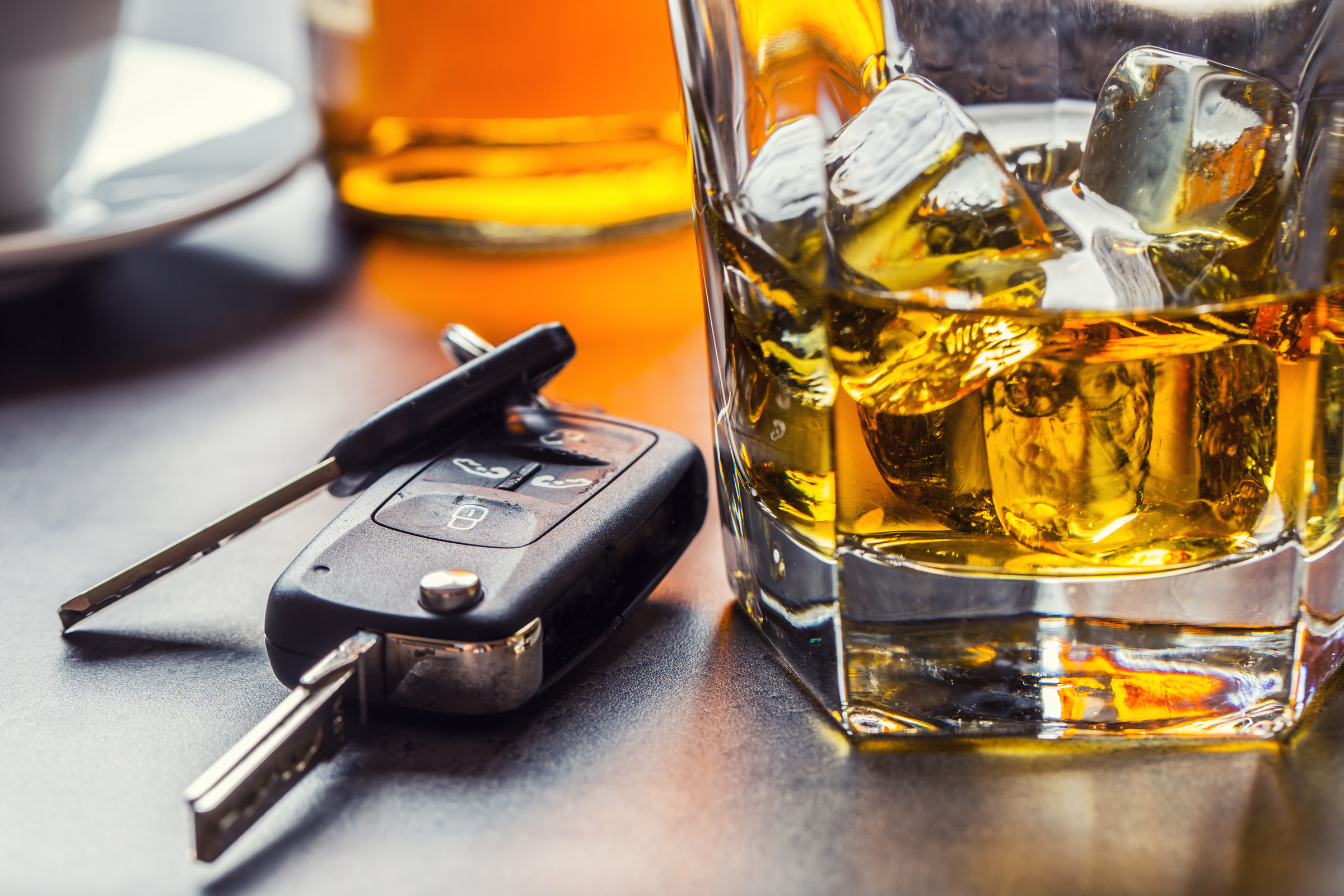
Getting a DUI (Driving Under the Influence) can be a stressful and life-changing event. It starts the moment a law enforcement officer suspects you've been drinking and driving. This can lead to being pulled over, undergoing a field sobriety test, and possibly being arrested. The consequences of a DUI arrest include legal action, potential jail time, and significant personal and financial stress.
Fortunately, you don't have to face this situation alone. At Summit Defense, we understand the dangers of drunk driving, but we also know the stress that a drunk driving charge can create in your life. Learn more about what constitutes a DUI offense below. Then, contact us to schedule a case consultation.
Driving under the influence describes driving a motor vehicle even when you are impaired by alcohol or drugs. The legal limit for blood alcohol content (BAC) in most places, including California, is 0.08% for drivers 21 and over. On the other hand, you can be arrested for DUI with a lower BAC if your driving is impaired. Law enforcement officers will employ field sobriety and breathalyzer tests to assess impairment.
You can be arrested for a DUI if substances have impaired your driving ability. This includes prescription medications, over-the-counter drugs, illegal drugs, and alcohol. Driving with alcohol or drugs in your system can impair your judgment, reaction times, and motor skills, making it dangerous to drive. A drunk driving conviction can lead to severe penalties, so contact us as soon as possible for help managing your case.
Receiving a first offense DUI in California is a misdemeanor in most cases. There are various DUI charges in California, depending on the nature of the violation. These local statutes are as follows:
Your first court appearance after a DUI arrest is called an arraignment. Here, you'll hear the charges against you and be asked to enter a plea. It's a critical moment in your case where the presence of a defense lawyer is invaluable. They can advise you on the best course of action, whether to plead guilty, not guilty or no contest.
During this appearance, the judge may also discuss bail and any restrictions on your driving privileges. Dressing appropriately and acting respectfully in court is essential, as this can influence the judge's perception of you.
Appearance In Court Is Mandatory
If an enforcer arrested you for driving under the influence in California, you must appear in court. Unlike the DMV hearing, a defendant must attend a criminal court hearing.
Failure to make a court appearance may result in license consequences such as suspension or revocation. It’s important to remember that attending all court hearings is mandatory once you receive a conviction for driving under the influence.
A DUI arrest often leads to an automatic license suspension, a process separate from your criminal charges. This suspension can happen before you're convicted, making it difficult to get to work, school, or fulfill other responsibilities. The length of the suspension can vary depending on whether you have prior DUI convictions.
If you're arrested for DUI in California, requesting a DMV hearing within 10 days of your arrest is crucial. This hearing is your opportunity to challenge the automatic license suspension. Your lawyer can present evidence at the hearing and argue why you should retain your driving privileges. If you do not request your hearing, your suspension will go into effect automatically. A DUI defense lawyer can be with you at the hearing and argue for retaining your driving privileges.
Requesting a DMV hearing is critical in protecting your rights and can significantly impact your ability to maintain your lifestyle while your case is pending. Your DUI defense lawyer will handle the request and prepare for the hearing to achieve the best possible outcome for you. If you have questions about what to expect or how to prepare for your hearing, contact us today.
The DMV Hearing
The responding law enforcement officer will also confiscate your driver’s license during the arrest. Once you receive a notice of DUI arrest, you only have ten days to request a hearing with the DMV. Otherwise, the DMV has the right to suspend your driver’s license immediately.
When a law enforcer acquires your license, they will give you a notice of suspension. In this notice, a number is written that a driver can call to schedule a DMV hearing. Often, the DUI defense attorney does this.
Once a hearing is scheduled, the DMV will provide you with a temporary license for 30-days. However, situations exist when the DMV cannot hold your hearing within 30 days. They will issue a document allowing the temporary license extension in these cases.
Factors That The DMV Considers
The DMV or California’s Department of Motor Vehicles considers various factors before deciding on your license. One of the most observed factors is the result of your chemical test.
The DMV will check if you agree to take a breath or blood test. They would use this to determine if you exceeded the state’s legal limit for blood alcohol concentration.
However, a chemical test is entirely voluntary. If you decide to decline a chemical test, the department will factor in the police record.
They will evaluate if the responding law enforcer lawfully arrested you for DUI. A law enforcer must inform you of the consequences of rejecting a chemical test.
If you decide not to accept the blood or breath test, you risk your license for suspension or revocation.
Court-Imposed License Suspension
If you are convicted of drunk or drugged driving in California, the court may impose a license suspension. This suspension will last for a certain number of months or years, depending on your case.
It’s essential to remember that a criminal trial is independent of the scheduled DMV hearing. You can prevent a court-imposed licensed suspension by setting up a hearing with the DMV. But this is not enough. You still need to win in that administrative hearing.
To prevent a court-imposed license suspension, it’s also essential to avoid a ‘plead guilty’ or ‘no contest.’ Hiring the best DUI defense lawyer is best to avert a court-imposed suspension.
DUI Court Case Vs DMV License Suspension Hearing
Although both legal procedures are essential to your DUI case, a DMV hearing officer is limited by what he can impose on a defendant. A criminal court judge can inflict a severe impact on your criminal record.
Getting A Restricted License After Your First DUI Offense In CA
A defendant with a suspended license may apply for a restricted license in California. A restricted license will allow the defendant to drive for specific reasons, such as going to work or school.
A restricted license is not available to defendants disallowed by the law. Defendants who also refused a chemical test are not allowed by the law to apply for a restricted license.
There are two types of restricted licenses in California. These licenses are the ignition interlock device (IID) restricted and standard limited licenses. These two licenses have differing regulations and applications.
IID Restricted License
An ignition interlock device restricted license is a restricted license in California. This license is available to defendants with a suspended license who must install an ignition interlock device (IID) as part of their probation.
An ignition interlock device (IID) is a device installed in a vehicle that requires a driver to blow into a breathalyzer before the car can start. If the device detects alcohol above a certain level, the vehicle won’t start.
A defendant can request an IID-restricted license after an arrest. When the defendant loses a case in the criminal court, they may require the defendant to use an IID for up to six months.
Furthermore, a defendant with a detected amount of BAC greater than or equal to 0.02% may have to extend their IID restriction to 10 months.
Restricted License
A defendant can request an IID-restricted license immediately after an arrest. In contrast, a defendant can only apply for a restricted license 30 days after the arrest.
A defendant can only use a standard restricted license to drive in between a DUI treatment program. Defendants can also use a restricted license to drive to work, during work, or go home.
An emergency medical situation is also permitted with a restricted license. If public transport is unavailable, a defendant can also use the limited license to drive a minor or a dependent adult.
Requirements In Obtaining An IID Restricted License Or Restricted License
Obtaining a restricted license in California is not much of a hassle. The DMV requires defendants with a suspended license to submit an SR22 form. You must submit the form to the DMV within ten days of the arrest.
The SR22 form is a certificate of financial responsibility that proves the driver has car insurance. This form is a critical document proving that you can be held responsible for any damages you might cause.
You may also need to submit other essential requirements, such as proof of enrollment in a DUI school. In addition, you may also need to pay a $125 reissue fee. This amount can change to $100 if the defendant is aged 21 or below.
Hiring a criminal defense lawyer can help you seamlessly organize and process your restricted license request. Furthermore, they can help you resolve any conflict that might arise during the application process.
Challenging the prosecutor's evidence is a vital part of your DUI defense. Our lawyers scrutinize the circumstances of your arrest, the procedures followed by law enforcement, and the accuracy of the breathalyzer or blood tests. We look for any violations of your rights or errors in the arrest process that could weaken the prosecution's case.
We may also question the reliability of the field sobriety tests and whether external factors could have affected their outcome. Our goal is to create reasonable doubt about the validity of the evidence against you. This may lead to reducing or dismissing charges, especially if we can prove procedural mistakes or rights violations.
DUI penalties vary widely depending on the state, the severity of the offense, and whether it's a first or repeat offense. In California, for example, a first-offense DUI can result in penalties. These could include fines, license suspension, DUI school, and possibly jail time.
For a first offense, the jail time can range from 48 hours to six months, and fines can be from $390 to $1,000, not including additional penalty assessments (California Vehicle Code Section 23152). You could also be required to install an ignition interlock device on your car or truck for six months when you get your license back. Remember that your insurance rates will likely increase significantly.
Repeat offenders or those with a high BAC face more severe penalties, including longer jail times, higher fines, and longer license suspensions. In cases of felony DUI, such as when injury or death occurs, the penalties include state prison time, higher fines, and a more extended DUI school or treatment program.
Probation Instead of Jail Time
The court may offer probation instead of jail time or, in addition to a jail sentence. There are two most commonly known types of probation: informal and formal probation.
Probation’s Mandatory Conditions
If the court grants you probation, there are certain things you can and cannot do during the probationary period:
Probation’s Optional Conditions
There are instances when the court may demand additional penalties or conditions for your DUI probation. The court’s decision to include other conditions in your probation depends on the nature of your case.
They may require you to attend organization meetings or support groups such as Alcoholic Anonymous, Narcotics Anonymous, or Mothers Against Drunk Driving Victim Impact Program.
Furthermore, the court may also require you to pay for victims’ compensation if they sustained injuries. The amount of restitution varies depending on the damages received by the victim.
What Happens If You Violate Your DUI Probation’s Terms?
If you neglect the conditions of your probation, the court may issue a bench warrant for your arrest. A bench warrant is a legal penalty given by a judge to arrest and bring the defendant before the court. The court may then sentence the defendant to maximum jail time or imprisonment.
Factors That Can Aggravate Your First-Time DUI Penalties
Aggravating factors increase the penalty of a crime. The added penalties can range from enhanced community service to a longer jail sentence. A first-time DUI may have more significant penalties in California if the court identifies the following factors.
Even if it’s your first DUI offense, the court can still give a harsh sentence depending on the aggravating factors of your case. This is why it’s essential to have a reliable DUI attorney during the legal proceedings.
Penalties For A First DUI With Injury
California Vehicle Code 23153 VC outlines DUI cases causing bodily injuries. A first offense DUI is charged as a misdemeanor offense in most cases. In line with this offense level, the punishment is less harsh than a felony offense.
However, a DUI with injuries is a wobbler offense. The court will look at the accounts of the case and the driver’s criminal history to identify the appropriate offense level.
For a misdemeanor DUI with injuries:
For a felony DUI with injuries:
Our DUI defense lawyer works to minimize the potential penalties you face. By challenging the evidence, negotiating with prosecutors, and presenting mitigating factors, we aim to reduce the severity of the consequences. This could mean arguing for a lesser charge, reduced fines, or alternative sentencing like community service instead of jail time.
In cases where a conviction is likely, we focus on damage control. This includes negotiating plea deals that favor rehabilitation over punishment, such as DUI school or substance abuse treatment programs. We aim to protect your future and prevent one mistake from defining your life.
This is a critical decision that should be made with the guidance of your DUI defense lawyer. A plea bargain can offer a predictable outcome and potentially less severe penalties than risking a trial. However, it also means pleading guilty to a lesser charge, which can still have significant consequences.
Your lawyer will analyze the prosecution's case, the evidence against you, and your circumstances before advising you on this decision. In some cases, accepting a plea bargain might be the best strategy, especially if the evidence against you is strong and the deal offered significantly reduces your penalties.
1st DUI Alternative Sentencing In California
When it comes to DUI offenses, there are different levels of severity. In some cases, the court may impose an alternative sentence for first-time DUI offenders. Here are some DUI alternative sentencing offered in California:
A DUI conviction affects more than just your immediate legal situation. It can have long-lasting impacts on your employment, as some jobs require a clean driving record or involve driving company vehicles. Insurance rates often increase significantly after a DUI conviction, making it more expensive to drive.
Personal relationships can also suffer due to the stress and stigma associated with a DUI. The embarrassment and guilt can strain friendships and family ties, and the financial burden of fines, legal fees, and increased insurance rates can add to this strain. It's essential to consider these broader impacts when facing DUI charges.
A DUI conviction could cause you to lose your job, especially if your job requires driving or a clean criminal record. Finding new employment can also become more challenging, as many employers perform background checks. Insurance companies typically raise premiums for drivers with DUI convictions, sometimes doubling or tripling the cost of insurance.
The personal toll of a DUI can be significant, affecting relationships with family and friends. The stress of legal proceedings, financial strain, and the potential for jail time can lead to isolation and strained relationships. Having a support system and professional legal help is crucial during this time.
Is A DUI Conviction Permanent On My Criminal Record?
A first DUI offense is a misdemeanor in California in most cases. The DUI arrest will stay on your criminal record for ten years.
A DUI conviction can have long-lasting effects. Receiving a DUI misdemeanor can affect your driving rights, job opportunities, and insurance premiums. Moreover, you may also need to pay thousands of dollars in fines and fees.
Depending on the nature of your case, the court may allow you to file for erasure in a criminal record. This is known as expungement, a legal process of erasing a criminal conviction from your criminal record.
Getting Your First DUI Conviction Expunged From Your Record In California
The primary benefit of obtaining an expungement is for career purposes. Employers are legally bound by the law to prohibit asking applicants about their criminal convictions during an interview. However, once a job offer is made, they are legally allowed to ask this question.
If you have not expunged your DUI conviction, you must disclose this information to your employer. However, once your DUI record is deleted, it’s not your responsibility to inform your employer about your former DUI conviction.
Before you can apply for an expungement, you need to identify first if you can qualify for one. Here’s what California Law allows for expungement:
Once you complete the probation, you may apply for expungement to the court. The judge will then review the defendant’s case to approve or reject the defendant’s request. If allowed, the court will remove your DUI conviction from your record.
If you have been accused of a crime in the Bay Area, you need experienced legal counsel to protect your rights, reputation, and future. Summit Defense Criminal Lawyers understands how overwhelming a criminal charge can be. Whether you are facing allegations involving violent crimes, sex offenses, domestic violence, DUI, or other serious charges, the consequences can be severe—including jail time, heavy fines, and a permanent criminal record. With offices throughout the Bay Area, including San Francisco, Oakland, and San Jose, our attorneys

About The Author
Rabin Nabizadeh
Attorney at Law
Rabin Nabizadeh is a dedicated criminal defense attorney with extensive experience in both Federal and State courts around the Bay Area. He has successfully represented clients in cases ranging from Misdemeanor DUI and Theft to serious felonies such as Grand Theft, Burglary, Sex Crimes, and Murder. Notably, Mr. Nabizadeh possesses a unique understanding of Immigration Law, allowing him to adeptly navigate cases with both criminal and immigration consequences. Fluent in Hebrew and Farsi, he also enjoys playing classical guitar in his spare time.

If you have been accused of a crime in the Bay Area, you need experienced legal counsel to protect your rights, reputation, and future. Summit Defense Criminal Lawyers understands how overwhelming a criminal charge can be. Whether you are facing allegations involving violent crimes, sex offenses, domestic violence, DUI, or other serious charges, the consequences can be severe—including jail time, heavy fines, and a permanent criminal record. With offices throughout the Bay Area, including San Francisco, Oakland, and San Jose, our attorneys provide strategic, aggressive defense to clients across Northern California. Contact us today to discuss your case and learn how we can help protect your future.
Call Now (866) 847-7613Ready to protect your rights? Contact Summit Defense now for a free consultation.