Criminal Process
How Much Is Bail, Really? A County-by-County Bail Schedule Comparison Across the Bay Area
FREE Confidential Consultation • Available 24/7

Last Updated
July 22, 2026
Domestic Violence

If you've been arrested for a domestic violence offense, your first thought may be to explain yourself or apologize to the alleged victim. But contacting them could cause serious problems. In many cases, a no-contact order is put in place right after the arrest. If you reach out, even just to talk, you could be breaking the law and face more criminal prosecution.
Summit Defense Criminal Lawyers helps people understand what to do after a domestic abuse arrest. Our team makes sure you don’t make a mistake that could hurt your case. We know the law and the process, and recognize what matters most to the judge. If you’ve been arrested, it's best to stay quiet, follow all court orders, and speak only with your attorney. Your freedom and future may depend on it.
Right after a domestic violence arrest, the court usually places strict limits on what the accused can do. These rules are meant to protect the alleged victim and reduce the risk of more problems while the case moves forward.
These immediate restrictions are serious, and breaking them can lead to more charges and time in jail.
In almost every domestic abuse case, the court issues a no-contact order immediately after the person is arrested. This order clearly states that the defendant must stay away from the alleged victim: no calling, no texting, no messages through friends or family.
Even peaceful contact can be considered a violation if the judge has not allowed it. These orders are intended to prevent further harm and avoid pressure or threats while the case remains open.
When a defendant is released from jail, either by paying bail or through a release agreement, there are often strict rules that must be followed. One of the most common conditions is not having any contact with the alleged victim or other victims, if any.
In some cases, the court may also order the person arrested to stay away from a certain home or workplace. If these rules are ignored, the court may cancel the bail or change the release terms.
If a person breaks a no-contact order or any condition of release, even by accident, they can be taken back into custody and charged with a new crime. This type of violation makes the situation worse and shows the court that the defendant might not follow the law or respect the court’s authority. It also makes it harder for the attorney to argue for lighter penalties or more freedom during the case.
A no-contact order is a rule set by the court. It is used to protect the alleged victim in domestic violence cases. Here's what you need to know about how it works:
A no-contact order is often automatic after an arrest. A restraining order is something the alleged victim can request at any time. Both orders limit contact, but a protective order can sometimes last longer and be stricter.
In many cases, the court will give the no-contact order without being asked. This happens as part of the standard process after a domestic violence offense. You don’t need to be convicted for the order to take effect.
You can’t call, text, or try to speak with the alleged victim in any way. You also may not send messages through friends or family. Even liking a post on social media may be considered contact.
Violating a no-contact order is taken very seriously by the court. Even if the alleged victim agrees to talk, breaking this rule can lead to more legal trouble. A violation can bring immediate penalties and new charges and hurt your defense in the original domestic violence case. It may also increase the chance of jail time.
If a person violates a no-contact order, police can arrest them right away. The court can cancel bail or release and send the defendant back to jail until trial. Judges often treat these violations as signs that the defendant may not follow future rules, which can make the case more difficult. These actions damage trust with the court and limit future options.
A violation of a court order can result in separate criminal charges. These may include charges for contempt of court or violating California Penal Code § 273.6, which makes it a misdemeanor to break a protective order.
If violence or threats were part of the contact, the new charges could be more serious and may even include a felony.
Violating a no-contact order not only brings new problems but also affects your current case. Prosecutors can use the violation as evidence of your attitude or intent. It weakens your defense and may make it more difficult to obtain a plea deal. In many cases, judges are less likely to lower charges or give probation when orders have been broken.
After a domestic violence arrest, many people wonder if they can speak to the alleged victim again, especially if that person wants to talk. But even if both parties agree to reconnect, the law doesn’t work that way. A no-contact order comes from the court, not from personal wishes, and only the court can change it.
Even if the alleged victim calls, texts, or asks to meet in person, you still cannot respond if a no-contact order is in place. The court's order is a legal rule, and ignoring it can lead to criminal prosecution, no matter who started the contact.
Many people mistakenly believe that if the other person says it’s okay, it means the order doesn’t matter. But that is not true in the eyes of the law.
The only person who can legally change or cancel the no-contact order is the judge assigned to your case. If the alleged victim wishes to have the order dropped, they can inform the court; however, the rule remains in place until the judge makes a decision.
Your criminal defense lawyer can help you file a motion, but never assume permission from the alleged victim is enough. It’s not.
You may think that returning a call or answering a message from the alleged victim is harmless, especially if it feels peaceful or friendly. However, even mutual contact can be used against you. If someone later tells the police that you reached out, you could face a new charge.
Violating a court order, even by accident, puts you at risk of going back to jail or losing your chance at a better outcome in your case.
Even if the court has not issued a no-contact order, reaching out to the alleged victim after a domestic violence arrest can still cause serious problems. While you may want to explain your side or fix the situation, speaking to the other person too soon can harm your case or lead to more legal issues.
Talking to the alleged victim, especially without legal advice, can be used against you during criminal prosecution. Even if you mean well, your words might be misunderstood, or they could be used as evidence to show guilt. In many cases, the prosecuting agency may claim that any contact shows pressure, guilt, or attempts to influence the witness, even if that was not your intention.
When parties involved in a domestic abuse case communicate, emotions can run high. A single misunderstanding can quickly turn into a new police report or accusation. The other person could change their story, feel pressured, or later say you threatened them, even if you didn’t. This can lead to new domestic violence charges or violations that make your situation worse.
It’s always best to listen to your criminal defense lawyer before talking to the alleged victim. Your attorney understands how these legal matters work and knows what could help or hurt your defense. Waiting until your lawyer advises you to speak is the safest way to protect your rights and avoid more trouble.
[vc_toggle title="1. Do Police Officers Always Arrest Someone After a Domestic Violence Call?" custom_font_container="tag:h3|text_align:left" use_custom_heading="true"]In most cases, mandatory arrest laws require police officers to make an arrest if they see signs of physical injuries or probable cause that abuse occurred. This means even if no one wants to press charges, the police may still take the person into custody based on the circumstances they observe when they respond.[/vc_toggle][vc_toggle title="2. Can the Alleged Victim Drop Charges After Someone Is Arrested?" custom_font_container="tag:h3|text_align:left" use_custom_heading="true"]No, once the arrest is made, the decision to press charges or drop charges is up to the prosecuting agency, not the alleged spouse or partner. The case will move forward based on evidence, police reports, and the injuries observed, even if the alleged victim wants to stop the process.[/vc_toggle][vc_toggle title="3. What Should I Do if the Police Want Me to Answer Questions?" custom_font_container="tag:h3|text_align:left" use_custom_heading="true"]If you're being questioned during an investigation, you should ask to speak with an attorney experienced in domestic violence offenses. You are not required to answer questions without a lawyer, and doing so without legal guidance can hurt your case. Always discuss your rights and any concerns with your legal team first.[/vc_toggle][vc_toggle title="4. Will the Court Consider My Children When Deciding My Case?" custom_font_container="tag:h3|text_align:left" use_custom_heading="true"]Yes. If children were present during the alleged abuse, the court may view the case more seriously. The judge may consider the danger posed to the children and may place limits on custody or visitation. The presence of children can strongly affect how the court will determine outcomes in a domestic violence case.[/vc_toggle][vc_toggle title="5. Can I Talk About My Side of the Story in Court?" custom_font_container="tag:h3|text_align:left" use_custom_heading="true"]Yes, but your attorney will help you decide when and how to share your story. If the case goes to trial, you may be allowed to testify, present evidence, and review what the investigation found. The court will listen to both sides and look at all facts before making a decision. It’s important to let your lawyer prepare the best way to present your side.[/vc_toggle][vc_empty_space]
If you’ve been arrested after a domestic violence incident, the situation may feel overwhelming, especially if police responded quickly, someone was physically injured, or you received an unexpected notice to appear in court. These moments can change your life fast, and you may not know what to do next.
Summit Defense Criminal Lawyers understands the stress and confusion that comes with these serious accusations. Whether you are being labeled as the abuser or believe you were wrongly arrested, you deserve strong legal support. Our legal team has years of experience handling domestic violence cases throughout the Bay Area.
We take time to listen, answer your questions, and create a plan that protects your future. If you're facing criminal charges, don't wait. Contact us today to schedule a free consultation. One call can give you clarity and the help you need to move forward.
About The Author
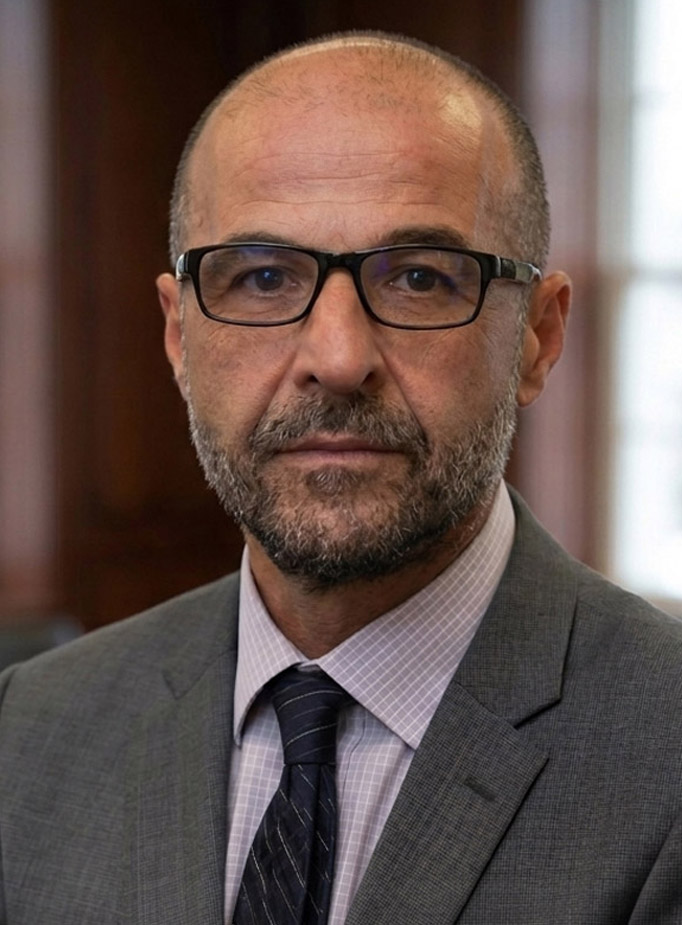
Rabin Nabizadeh
Attorney at Law
Rabin Nabizadeh is a dedicated criminal defense attorney with extensive experience in both Federal and State courts around the Bay Area. He has successfully represented clients in cases ranging from Misdemeanor DUI and Theft to serious felonies such as Grand Theft, Burglary, Sex Crimes, and Murder. Notably, Mr. Nabizadeh possesses a unique understanding of Immigration Law, allowing him to adeptly navigate cases with both criminal and immigration consequences. Fluent in Hebrew and Farsi, he also enjoys playing classical guitar in his spare time.

If you have been accused of a crime in the Bay Area, you need experienced legal counsel to protect your rights, reputation, and future. Summit Defense Criminal Lawyers understands how overwhelming a criminal charge can be. Whether you are facing allegations involving violent crimes, sex offenses, domestic violence, DUI, or other serious charges, the consequences can be severe—including jail time, heavy fines, and a permanent criminal record. With offices throughout the Bay Area, including San Francisco, Oakland, and San Jose, our attorneys provide strategic, aggressive defense to clients across Northern California. Contact us today to discuss your case and learn how we can help protect your future.
Call Now (866) 847-7613Ready to protect your rights? Contact Summit Defense now for a free consultation.