Domestic Violence
What to Do If Your Husband or Wife Is Arrested for Domestic Violence in San Jose
FREE Confidential Consultation • Available 24/7

Last Updated
July 22, 2026
Domestic Violence
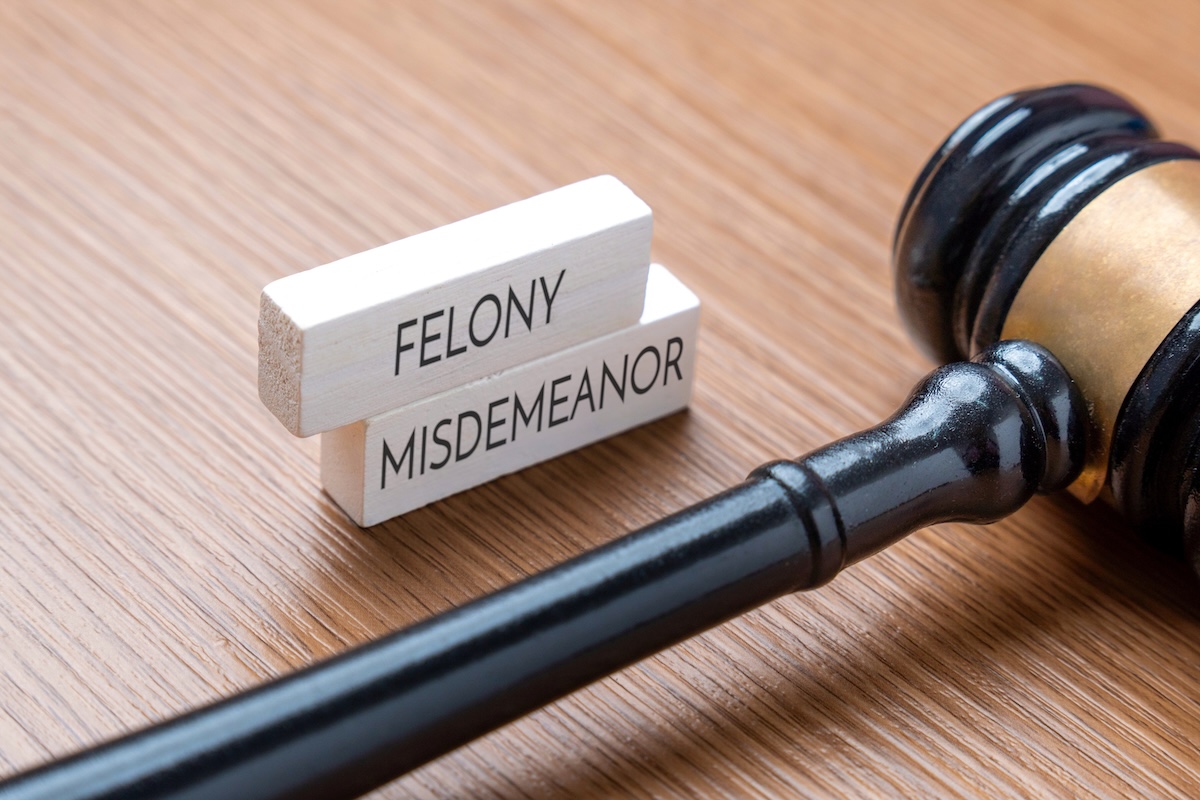
The difference between a misdemeanor and felony domestic violence charge depends on how serious the situation is. Some domestic violence charges involve threats or minor injuries, which may be filed as misdemeanor domestic violence. Other cases involve weapons, severe injuries, or repeat behavior. These can lead to felony domestic violence charges with much harsher penalties.
In California, domestic violence can be charged as either a misdemeanor or a felony. Prosecutors look at many factors, like the level of bodily harm, the use of a deadly weapon, and the defendant’s criminal history. The penalties are not the same. A felony conviction can follow you for the rest of your life.
At Summit Defense, our team understands the seriousness of these charges. We’ve helped clients across California fight both misdemeanor and felony domestic violence cases. If you are facing domestic violence charges, we are ready to protect your rights and help you through the legal process.
Under California criminal law, domestic violence is any criminal act involving harm or threats against someone close to you. This typically refers to a spouse, dating partner, co-parent, or other intimate partner. The law also covers family members, roommates, and former partners.
Common domestic violence charges include:
The alleged victim does not have to be badly hurt for charges to apply. Even pushing or grabbing may result in a misdemeanor charge.
Under the California penal code, these charges carry serious consequences. The state also takes steps to protect victims by issuing no-contact orders, assigning jail time, and requiring payment to fund domestic violence programs through the domestic violence fund.
In most domestic violence cases, the courts take swift action, especially if the person accused has prior convictions or is already on felony probation.
In California, many domestic violence incidents are charged as misdemeanor domestic violence charges. This usually occurs when the injuries are minor, no weapon is involved, and the accused has no serious prior offenses. These cases often involve slapping, grabbing, or pushing that causes little or no physical injury.
One of the most common charges is Penal Code 243(e)(1). This applies when someone uses force or violence against a current or former partner. It is considered a domestic violence offense, but doesn’t require visible injuries.
Misdemeanor domestic violence convictions can still carry harsh penalties. A person may be sentenced to up to one year in county jail, along with fines, counseling, and a restraining order. The court may also impose collateral consequences, such as loss of firearm rights or limitations on child custody.
A conviction leaves you with a permanent criminal record, which can affect your job, housing, and even your immigration status. For non-citizens, even a misdemeanor can lead to immigration consequences.
Although a misdemeanor or felony charge depends on the details, most domestic violence convictions start with a full review of the facts. Prosecutors weigh intent, the victim’s injuries, and your criminal record before filing charges.
A domestic violence offense becomes a felony when the situation involves more danger or harm. California Penal Code 273.5 allows prosecutors to file felony domestic violence charges when there is serious bodily injury, a deadly weapon, or repeat behavior. These cases may be charged as a felony or a misdemeanor, depending on the facts.
Injuries like broken bones, head trauma, or deep wounds often qualify as severe bodily injury. Using a weapon—or threatening to—can also raise charges to a felony domestic violence offense. If you have prior convictions for violence or are already on probation, the court may increase the charge.
Some cases are charged as a third-degree felony, especially if the harm is extreme or if the person is considered a danger to others. Felony charges can also apply if the offense qualifies under California’s strike law, which increases penalties for serious or violent felonies.
It's essential to note that being arrested for a felony doesn't always mean that formal criminal charges will be filed. The prosecutor reviews the evidence before making a decision.
Still, felony domestic violence convictions can lead to state prison time, larger fines, and harsher collateral consequences, including lifelong effects on your freedom and future.
California courts look at many things when deciding if domestic violence is a felony or not. The key differences lie in the level of harm, your criminal record, and how the case fits into the framework of criminal law.
These laws are complex, and even misdemeanor convictions come with serious penalties. Getting help early can make a big difference.
Not every domestic violence incident leads to a felony. Some are treated as misdemeanor domestic violence charges, especially when there is no lasting injury or serious threat involved.
For example, imagine a couple arguing. One partner pushes the other in frustration, causing no visible physical harm. No weapons are involved, and it’s the first time the police have been called. In this case, the court may file a misdemeanor charge under California Penal Code 243(e)(1).
Courts often handle these situations with probation, short county jail time, and counseling. Judges may issue protective orders to prevent further contact during the course of the case.
Even so, a misdemeanor domestic violence conviction still has serious effects. It remains on your criminal record, can harm child custody rights, and may lead to immigration consequences. You may also lose certain job opportunities or licenses.
It’s important to remember that even a first-time domestic violence offense can carry heavy consequences under federal law and California law.
When the facts are more serious, domestic violence is a felony. For example, if someone causes serious bodily injury like broken bones or a concussion, the court may file felony domestic violence charges. Using a weapon—even threatening to—can also make the case a felony domestic violence offense.
Let’s say someone punches their partner in front of their child, causing a black eye and bruised ribs. If the accused has a history of domestic abuse or past felony convictions, the court may treat this as a serious or violent felony under California’s strike law.
Another example: repeating the same violent act after being warned by the court. Even without extreme injuries, repeat behavior often leads to a felony conviction.
Felony domestic violence cases often include more aggressive prosecution, higher bail, and longer sentences. These charges also bring greater collateral consequences, including loss of gun rights, restrictions on employment, and harsher parole conditions.
Under both state and federal law, felony charges signal a serious public safety concern, and courts respond accordingly.
Even a misdemeanor has lasting consequences. Courts still treat misdemeanor domestic violence convictions seriously, and you can’t assume the outcome will be minor.
Judges often issue stay-away or no-contact orders to prevent future conflict. These orders may last for months or even years, depending on the case.
Instead of jail, some people are sentenced to probation with required counseling. This may include anger management classes or programs meant to fund domestic violence programs.
Even if jail is avoided, the court may place you under strict conditions. Failing to follow these rules can result in additional jail time or more severe penalties.
The penalties for a felony domestic violence offense are much more severe than those for a misdemeanor. These cases often result in longer prison terms, increased supervision, and permanent life changes.
In addition to prison, courts may order you to pay for the victim’s losses, including medical bills or therapy. Once released, you’ll likely face parole, which involves regular check-ins and limits on where you can go or live.
A felony conviction results in a permanent criminal record, which can make it more difficult to obtain housing, loans, or employment opportunities. You may lose professional licenses and face immigration consequences if you’re not a U.S. citizen. The social stigma of a felony also affects your family and reputation.
These consequences show why defending against these charges is so critical.
Whether you’re convicted of a misdemeanor or felony, the charge creates a permanent criminal record. This record appears on background checks for jobs, housing, or school admissions.
Misdemeanor convictions might seem less serious, but they can still block career paths that require licensing. Jobs in education, healthcare, or government often reject applicants with any domestic violence conviction.
Felony convictions bring even stronger consequences. You may lose voting rights, gun rights, and the ability to live in certain areas.
In either case, criminal charges tied to domestic violence follow you long after the court process ends.
Yes. Under California law, some domestic violence offenses are known as “wobblers.” This means the prosecutor can file them as a misdemeanor or felony, depending on the facts.
They look at whether there was physical harm, if weapons were used, and your criminal record. A minor first-time case might be filed as a misdemeanor. But the same offense with more violence or past arrests could be filed as a felony.
Sometimes, a felony can be reduced to a misdemeanor charge through a plea bargain. Having the right lawyer helps with that process.
The final charge depends on both the facts and how the case is handled from the start.
When someone is arrested for domestic violence, they’re usually booked into jail right away. The court may issue an emergency protective order to protect the alleged victim.
Bail is then set based on the charge:
The court considers public safety, past domestic abuse, and your record when deciding if you can be released before trial.
During this time, having a strong defense team can help reduce bail or keep you from being held too long.
When you're facing domestic violence charges, the legal system can feel overwhelming. At Summit Defense, we work fast to protect your freedom, your job, and your reputation.
We explore every way to reduce your charges or get them dismissed. This includes reviewing evidence, checking for police errors, and showing the full story behind the domestic violence offense. We may also consider a plea bargain if it helps you avoid jail and maintain a clean record.
Our attorneys focus on the long-term effects of your case. We understand that a domestic violence conviction can impact your future, from child custody to your immigration status. We work to limit those harms and defend your legal rights at every step.
With decades of experience and hundreds of wins, Summit Defense is here to fight for you.
A domestic violence conviction can cost you your right to own a gun. Both California law and federal law ban people convicted of certain domestic violence offenses from owning or buying firearms. If the conviction is for a felony domestic violence offense, the gun ban is permanent.
Even a misdemeanor domestic violence conviction can lead to a 10-year firearm ban under California law. For some people, the court may issue a lifetime ban.
Immigration is another serious area affected by domestic violence, which is a felony or even a misdemeanor. Any domestic violence conviction can lead to immigration consequences. If you're not a U.S. citizen, you may face deportation or denial of a green card.
A conviction for a felony domestic violence offense often leads to faster removal under immigration law. But even misdemeanor domestic violence charges can put your immigration status at risk.
These are just a few reasons why it's critical to fight these charges. Protecting your rights early may protect your future, your family, and your ability to stay in the country.
Yes, in some cases. Certain domestic violence offenses are “wobblers” in California, meaning they can be charged as either a felony or a misdemeanor. With a strong defense or a good plea bargain, a lawyer may help lower the charge based on injuries, intent, or your criminal record.
Possibly. Courts often limit child custody rights if there is a domestic violence conviction, especially if it involves serious physical harm or repeat behavior. Judges prioritize child safety. You may be ordered to attend counseling or lose unsupervised visits.
Yes, but it depends. Many misdemeanor convictions can be expunged after the completion of probation. Some felony convictions may also qualify if reduced to misdemeanors. Expungement helps clear your criminal record, but it doesn’t restore gun rights or fix immigration consequences.
Yes. Both misdemeanor and felony domestic violence convictions appear in most background checks. Employers, landlords, and licensing boards will be able to see them. A permanent criminal record can significantly impact housing, employment opportunities, and professional licenses.
It is. For some misdemeanor domestic violence charges, the court may offer probation, counseling, and fines instead of county jail time. An experienced attorney can help request alternative sentencing or even get charges dismissed, depending on the facts.
If you are facing domestic violence charges, don’t wait. Call Summit Defense for a free consultation with an experienced attorney. Our team is familiar with the courts, the laws, and how to effectively protect your rights.
We have local offices throughout California and a proven record in domestic violence cases. Whether you’re charged with a misdemeanor or felony, we’re ready to fight for you. Call now or fill out our contact form to speak with a lawyer today. Your future is too important to risk.

About The Author
Rabin Nabizadeh
Attorney at Law
Rabin Nabizadeh is a dedicated criminal defense attorney with extensive experience in both Federal and State courts around the Bay Area. He has successfully represented clients in cases ranging from Misdemeanor DUI and Theft to serious felonies such as Grand Theft, Burglary, Sex Crimes, and Murder. Notably, Mr. Nabizadeh possesses a unique understanding of Immigration Law, allowing him to adeptly navigate cases with both criminal and immigration consequences. Fluent in Hebrew and Farsi, he also enjoys playing classical guitar in his spare time.

If you have been accused of a crime in the Bay Area, you need experienced legal counsel to protect your rights, reputation, and future. Summit Defense Criminal Lawyers understands how overwhelming a criminal charge can be. Whether you are facing allegations involving violent crimes, sex offenses, domestic violence, DUI, or other serious charges, the consequences can be severe—including jail time, heavy fines, and a permanent criminal record. With offices throughout the Bay Area, including San Francisco, Oakland, and San Jose, our attorneys provide strategic, aggressive defense to clients across Northern California. Contact us today to discuss your case and learn how we can help protect your future.
Call Now (866) 847-7613Ready to protect your rights? Contact Summit Defense now for a free consultation.