Domestic Violence
What to Do If Your Husband or Wife Is Arrested for Domestic Violence in San Jose
FREE Confidential Consultation • Available 24/7

Last Updated
July 22, 2026
Juvenile Defense

The simple answer is no. In most states, including California, juveniles don't have the right to a jury trial in juvenile court proceedings. The Supreme Court ruled that jury trials aren't required in juvenile delinquency proceedings. At Summit Defense Criminal Attorneys, we help families understand these complex legal issues. We're Northern California's largest exclusively criminal defense law firm, and we focus on protecting minors in the juvenile justice system.
The juvenile court system works very differently from the adult criminal court. Adult criminal proceedings focus on punishing criminal acts. Juvenile court proceedings, on the other hand, aim to rehabilitate young people. This key difference shapes how juvenile cases are handled from start to finish.
In juvenile proceedings, there's no jury trial like in adult criminal court. A judge makes all decisions about guilt and consequences. The proceedings are less formal, often described as an informal protective proceeding, and usually closed to the public. Most juvenile records get sealed to protect the child's future. These differences exist because the juvenile justice system believes young people deserve another chance, presenting an idealistic prospect for rehabilitation.
The stakes in juvenile court remain high even without a jury trial. A finding of guilt can affect education, job options, and housing opportunities. The juvenile justice system was created separate from the adult system because children and teens are still developing. While this creates some benefits, it also means juveniles aren't entitled to the same due process rights as adult defendants facing criminal charges. However, there's always the possibility of achieving a positive outcome with the right legal support.
The priority of the juvenile justice system is to guide young people back onto a path that leads to a successful and law-abiding life. This system believes in second chances and understands that young people make mistakes. The principles behind juvenile justice include fairness, understanding, and a focus on the future rather than the past.
These principles shape everything in the juvenile system — from how cases are heard to how outcomes are determined. Rather than simply responding to criminal acts, the system works to give young people the tools they need to avoid repeating mistakes. This can include education programs, counseling, and community service opportunities, regardless of the type of offense involved.
The question of whether juveniles should have the right to a jury trial has been examined by the Supreme Court. Their decisions have shaped how juvenile cases work throughout the United States. The Court has balanced constitutional rights against the special goals of juvenile justice.
In the important case McKeiver v. Pennsylvania, the Supreme Court determined that the Constitution doesn't require jury trials in juvenile delinquency proceedings. The Court found that jury trials might harm the informal protective nature of juvenile court proceedings. They worried jury trials would make the juvenile court too much like adult criminal court.
The Supreme Court recognized that while the Sixth Amendment guarantees the right to a trial by jury in criminal prosecutions, juvenile proceedings aren't technically "criminal" cases. Instead, they're considered "civil" cases aimed at helping rather than punishing. This distinction lets the Court deny juveniles the right to a jury while still following constitutional principles.
The justices were concerned that juries would turn juvenile proceedings into mini-adult criminal trials. They feared this would undermine the juvenile justice system's goal of rehabilitation. The due process clause of the Constitution allows for this different treatment of juveniles.
Following the Supreme Court's guidance, California doesn't give juvenile defendants the right to trial by jury, even for serious offenses. A judge alone decides if the evidence proves beyond a reasonable doubt that a juvenile committed the alleged crime. This standard of proof is the same as in adult criminal proceedings.
In rare cases, such as when a juvenile might be transferred to adult court through a "fitness hearing," some jury-related rights may apply. If a case moves to adult criminal court, then all protections of adult criminal proceedings—including the right to a jury—would apply to the juvenile defendant.
California courts have repeatedly upheld this approach. The Juvenile Law Center and other advocacy groups sometimes challenge this system. They argue jury trials would better protect young defendants' rights. However, the current system remains firmly in place across most states, including California.
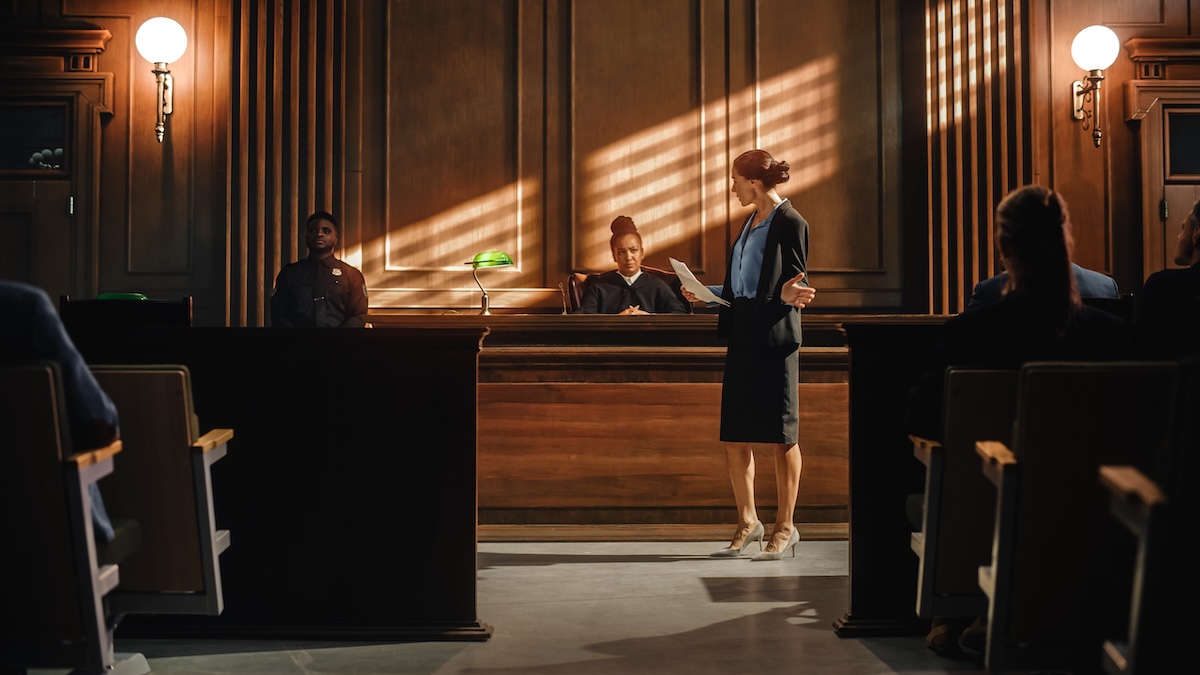
In juvenile court, the judge plays a central role in determining the outcome of a case. The process begins when a complaint accuses a juvenile of committing a delinquent act. From there, the court decides whether to proceed with formal charges. If the case proceeds, the judge listens to evidence from both sides before making a decision — a process designed to be quicker and less formal than adult court.
Here is what the typical adjudication process looks like:
Judges consider many factors at each stage — including the juvenile's age, the nature of the offense, and the young person's background and needs. Their goal is to make a decision that helps the juvenile avoid future legal trouble and succeed in life.
The absence of jury trials in juvenile court has sparked ongoing debate among legal scholars, advocates, and families. Some believe that not having jury trials takes away a fundamental right and may lead to unfair outcomes. Others think the informal and rehabilitative nature of juvenile court is better suited to a judge's decision-making.
Supporters of juvenile jury trials argue they could make the system more fair and transparent. They contend that a jury would help protect the rights of young people and ensure decisions are not left to a single person. This could also lead to greater community involvement in the juvenile justice system.
Critics worry that jury trials would make the system more adversarial and less focused on rehabilitation — harming the very people it is designed to help. Concerns include harsher outcomes, longer public records of juvenile conduct, and the negative psychological effects of exposing young defendants to a fully adversarial process. There is also the practical concern of increased time and expense, which could strain limited resources and delay the help young people need.
Given the ongoing debate, there are calls for reform that stop short of full jury trials. These include expanding the role of mediators and implementing restorative justice practices — approaches that emphasize repairing harm rather than assigning punishment. Such approaches can provide more personalized and effective solutions while preserving the system's rehabilitative focus.
Other proposed reforms include giving juveniles a greater voice in their proceedings and ensuring their rights are more fully protected at every stage. These changes aim to keep the juvenile justice system fair, effective, and focused on young people's long-term success.
While juvenile defendants lack the right to a jury trial, they still have important legal protections. The Supreme Court has expanded juvenile rights through several key rulings, starting with In re Gault in 1967. This landmark case established that juveniles have many of the same due process rights as adults.
Your child has the right to an attorney throughout juvenile court proceedings. If you can't afford a lawyer, the Court will appoint one. We strongly suggest hiring an attorney who specializes in juvenile cases. Public defenders often have many cases and limited time. Private counsel can focus more on building a strong defense for your child.
Juveniles also have the right to self-incrimination under the Fifth Amendment. This protection matters because police can sometimes question minors without parents present. Young people often don't fully understand their rights. They may feel pressure to answer questions that could hurt their case.
The right to confront witnesses is another key protection. This means your child's defense can challenge the prosecution's evidence and question those making accusations. Good cross-examination often reveals weak points in the case that the judge might otherwise miss.
The burden of proof in juvenile cases matches adult criminal proceedings. Prosecutors must prove guilt beyond a reasonable doubt—the highest standard in our legal system. This high standard helps protect innocent juveniles from wrongful findings of delinquency based on weak evidence.
About The Author
Rabin Nabizadeh
Attorney at Law
Rabin Nabizadeh is a dedicated criminal defense attorney with extensive experience in both Federal and State courts around the Bay Area. He has successfully represented clients in cases ranging from Misdemeanor DUI and Theft to serious felonies such as Grand Theft, Burglary, Sex Crimes, and Murder. Notably, Mr. Nabizadeh possesses a unique understanding of Immigration Law, allowing him to adeptly navigate cases with both criminal and immigration consequences. Fluent in Hebrew and Farsi, he also enjoys playing classical guitar in his spare time.

If you have been accused of a crime in the Bay Area, you need experienced legal counsel to protect your rights, reputation, and future. Summit Defense Criminal Lawyers understands how overwhelming a criminal charge can be. Whether you are facing allegations involving violent crimes, sex offenses, domestic violence, DUI, or other serious charges, the consequences can be severe—including jail time, heavy fines, and a permanent criminal record. With offices throughout the Bay Area, including San Francisco, Oakland, and San Jose, our attorneys provide strategic, aggressive defense to clients across Northern California. Contact us today to discuss your case and learn how we can help protect your future.
Call Now (866) 847-7613Ready to protect your rights? Contact Summit Defense now for a free consultation.